

Estate planning for investment advisors is a critical aspect of financial management that ensures individuals can secure their legacies and provide for their loved ones after they are gone. For investment advisors, understanding the intricacies of estate planning is essential for client satisfaction and enhancing the overall service offerings. Advisors can significantly impact their clients’ financial futures by actively engaging in estate planning discussions. Below are ten effective ways investment advisors can support their clients in this crucial area.
1. Estate Planning For Investment Advisors: Understanding Client Goals and Values
Investment advisors should begin by comprehensively understanding their clients’ values and long-term goals. Estate planning is not just about legal documents; it’s about family dynamics, personal wishes, and financial aspirations.
1.1 Establishing Open Communication
Encouraging open discussions about estate planning can help clients articulate their desires regarding asset distribution, guardianship of minors, and charitable intentions. This dialogue fosters trust and ensures that clients feel comfortable sharing sensitive information.
1.2 Conducting Goal-Setting Sessions
Advisors can facilitate goal-setting sessions, guiding clients to consider what legacy they wish to leave behind. By asking probing questions, advisors can help clients visualize their future and plan accordingly.
1.3 Documenting Client Aspirations
Creating a written record of clients’ goals and values is essential. This documentation is a reference point for future discussions and helps ensure that all parties remain aligned throughout the planning process.
2. Collaborating with Estate Planning Attorneys
Investment advisors should work closely with estate planning attorneys to provide clients with comprehensive services. This collaboration ensures that all legal aspects are handled efficiently.
2.1 Referring Clients to Trusted Attorneys
Advisors can build a network of reputable estate planning attorneys to whom they can refer clients. This not only aids clients in finding qualified professionals but also enhances the advisor’s credibility.
2.2 Coordinating Between Professionals
By coordinating efforts between themselves and attorneys, advisors can ensure that the financial and legal components of estate planning are seamlessly integrated, minimizing potential conflicts and misunderstandings.
2.3 Participating in Legal Discussions
Investment advisors can attend meetings with clients and attorneys to provide financial insights that may influence legal decisions. This collaborative approach ensures that all estate plan aspects align with the client’s financial situation.
3. Educating Clients on Estate Planning Tools
Many clients may not be familiar with the various tools available for effective estate planning. Advisors can play a pivotal role in educating clients about these options.
3.1 Explaining Wills and Trusts
Advisors should explain the differences between wills and trusts, including their benefits and limitations. This knowledge empowers clients to decide which tools best suit their needs.
3.2 Discussing Powers of Attorney
Clients should understand the importance of designating powers of attorney for financial and healthcare decisions. Advisors can help clarify the implications of these designations and the importance of choosing trustworthy individuals.
3.3 Highlighting Tax Implications
Educating clients about potential tax implications related to their estate plans is crucial. Advisors can provide insights on structuring assets to minimize tax burdens on beneficiaries.
4. Assisting with Asset Valuation
A critical component of estate planning is accurately assessing the value of a client’s assets. Advisors can assist clients in this area to ensure a clear understanding of their estate’s worth.
4.1 Conducting Asset Inventory
Investment advisors can help clients create a comprehensive inventory of their assets, including real estate, investments, and personal property. This inventory forms the foundation for effective estate planning.
4.2 Utilizing Professional Appraisers
In cases where asset valuation is complex, advisors can recommend professional appraisers specializing in valuing specific asset types, ensuring accuracy in the estate planning process.
4.3 Updating Valuations Regularly
Advisors should encourage clients to update asset valuations regularly, especially after significant life events or market changes. This practice ensures that the estate plan remains relevant and practical.
5. Facilitating Conversations About Family Dynamics
Estate planning often involves navigating sensitive family dynamics. Advisors can help clients address these issues proactively.
5.1 Encouraging Family Meetings
Advisors can suggest family meetings to discuss estate planning openly. This transparency helps prevent misunderstandings and potential conflicts among family members.
5.2 Addressing Potential Conflicts
By facilitating discussions about potential family conflicts, advisors can help clients prepare for and mitigate issues that may arise during the estate distribution process.
5.3 Promoting Inclusivity
Encouraging clients to include all relevant family members in the estate planning conversation fosters inclusivity and ensures everyone feels heard and valued.
6. Providing Ongoing Support and Reviews
Estate planning is not a one-time task; it requires ongoing attention and adjustments. Advisors should offer continuous support to their clients.
6.1 Scheduling Regular Reviews
Investment advisors can schedule regular reviews of clients’ estate plans to ensure they remain aligned with changing circumstances, such as marriage, divorce, or children’s birth.
6.2 Adapting to Life Changes
As clients experience significant life changes, advisors should proactively suggest necessary updates to the estate plan. This adaptability is key to maintaining a relevant and effective strategy.
6.3 Offering Emotional Support
Estate planning can be an emotional process. Advisors should provide empathetic support, helping clients navigate their feelings and concerns throughout the planning journey.
7. Leveraging Technology for Estate Planning
In today’s digital age, technology can enhance the estate planning process. Advisors should consider utilizing tools that streamline this process.
7.1 Implementing Estate Planning Software
Advisors can introduce clients to estate planning software that allows for easy documentation and organization of estate-related information. This technology can significantly simplify the planning process.
7.2 Utilizing Online Collaboration Tools
By using online collaboration tools, advisors can work with clients and their legal teams more efficiently, ensuring everyone can access the latest information and updates.
7.3 Encouraging Secure Document Storage
Advisors should recommend secure online storage solutions for important estate planning documents, ensuring clients can access their information quickly and safely.
8. Clarifying Beneficiary Designations
Proper beneficiary designations are crucial in estate planning. Advisors can help clients navigate this essential aspect.
8.1 Reviewing Current Designations
Investment advisors should regularly review clients’ beneficiary designations on accounts such as retirement plans and insurance policies to ensure they reflect the client’s current wishes.
8.2 Educating on Contingent Beneficiaries
Clients should understand the importance of naming contingent beneficiaries. Advisors can explain how these designations can prevent complications if primary beneficiaries cannot inherit.
8.3 Ensuring Alignment with the Estate Plan
Advisors must ensure that beneficiary designations align with the overall estate plan. This alignment prevents discrepancies that could lead to legal disputes.
9. Addressing Charitable Giving
For clients interested in philanthropy, estate planning can be an opportunity to incorporate charitable giving into their legacy.
9.1 Discussing Charitable Goals
Advisors should engage clients in discussions about their charitable goals and how these can be integrated into their estate plans. This approach allows clients to leave a lasting impact on causes they care about.
9.2 Exploring Tax Benefits
Educating clients about the tax benefits of charitable giving can motivate them to incorporate philanthropy into their estate planning. Advisors can provide insights on how to maximize these benefits.
9.3 Structuring Charitable Trusts
Investment advisors can assist clients in structuring charitable trusts that allow them to support their chosen causes while also benefiting from tax advantages.
10. Utilizing Legacy Planning Tools
Legacy planning is an integral part of estate planning, and advisors should help clients explore various tools available to them.
10.1 Introducing Legacy Keeper
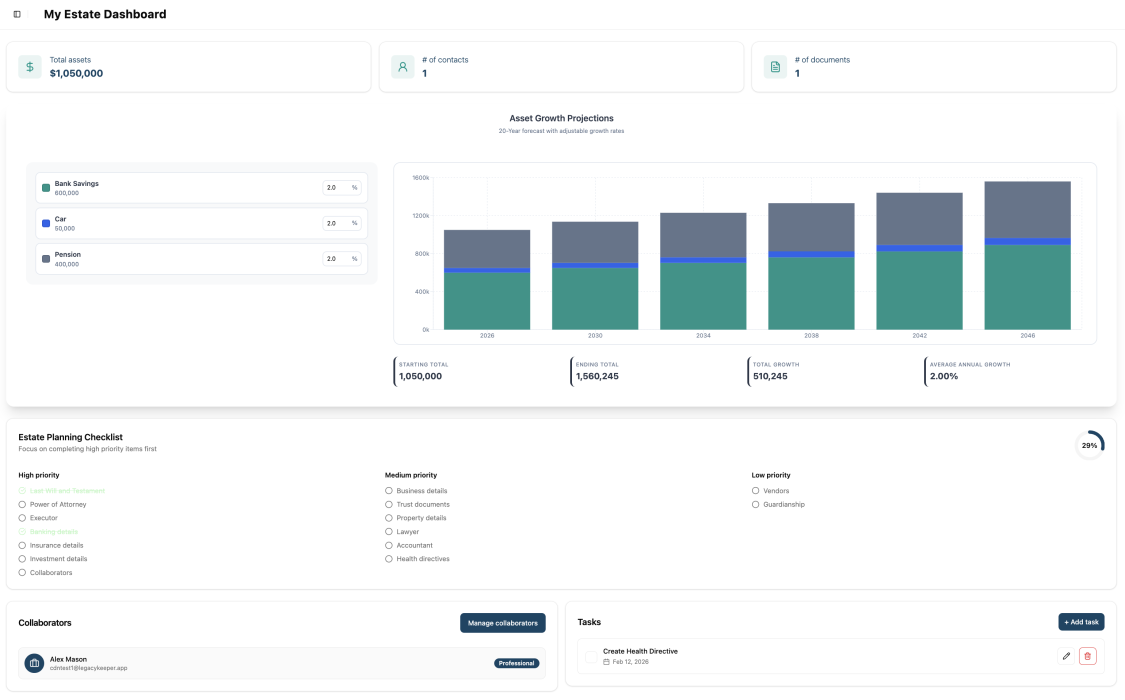
Advisors can introduce clients to platforms like Legacy Keeper that facilitate the organization and management of estate planning documents. This tool can enhance communication and collaboration between clients and their advisors.
10.2 Creating Legacy Narratives
Encouraging clients to create legacy narratives can help them articulate their values and wishes. This narrative can serve as a guiding document for family members after the client’s passing.
10.3 Emphasizing the Importance of Legacy
Advisors should stress the significance of legacy planning as part of the overall estate planning process. By focusing on the impact clients want to leave behind, advisors can help clients create meaningful and lasting plans.
By actively engaging in these ten areas, investment advisors can provide invaluable support to their clients in estate planning. This not only enhances client satisfaction but also strengthens the advisor-client relationship, paving the way for long-term success in wealth management. As the landscape of estate planning continues to evolve, investment advisors who prioritize this aspect of their practice will be well-equipped to meet the needs of their clients and their families.
References: Estate Planning For Investment Advisors
- https://www.bankrate.com/investing/financial-advisors/financial-advisors-estate-planning/
- https://emoneyadvisor.com/blog/10-questions-to-help-clients-navigate-estate-planning/
- https://cshinvestments.com/how-financial-advisors-can-help-create-an-effective-estate-plan/
- https://www.linkedin.com/pulse/unlocking-potential-how-financial-advisors-can-enhance-paul-rabalais-82xgc
- https://www.nasdaq.com/articles/financial-advisors-growing-your-business-with-estate-planning
- https://legacykeeper.app/2024/11/08/estate-planning-for-financial-advisors/

Leave a Reply