
Discussing family estate planning can be daunting, especially when it comes to sensitive topics like death and financial matters. These conversations are crucial for ensuring your loved ones understand your wishes and are prepared to carry them out. Here’s a comprehensive guide on how to approach these discussions effectively and with empathy.
Understanding the Importance of Family Estate Planning
Family estate planning encompasses your values, wishes, and the legacy you wish to leave behind. A solid plan can significantly reduce the emotional and financial burdens on your family during a challenging time.
The Consequences of Not Planning
Many people mistakenly believe that their families will automatically know their wishes. Statistics show that a significant group of the population does not have a will or any estate plan. Dying without a plan can lead to:
- Family Conflicts: Disputes over assets can tear families apart, causing long-lasting rifts.
- Financial Strain: Families will face costly legal battles to settle affairs without clear directives.
- Emotional Turmoil: Uncertainty about a loved one’s wishes can lead to stress and anxiety during a difficult time.
The Benefits of Open Communication In Family Estate Planning
Engaging in open discussions about estate planning can foster understanding and trust within the family. It allows for:
- Clarity: Family members will know exactly what to expect and how to execute a plan.
- Empowerment: Everyone involved can feel more in control of their roles and responsibilities.
- Legacy Preservation: You can make sure that your values and wishes are honored.
Preparing for the Conversation
Before discussing estate planning, it’s essential to prepare adequately. This preparation will help ensure the conversation is productive and respectful.
Choosing the Right Time and Place
Timing is critical when broaching sensitive subjects. Some things to consider include:
- Avoid Busy Times: Steer clear of family gatherings or holidays when emotions are heightened.
- Private Setting: Choose a quiet, comfortable environment where everyone can speak openly without distractions.
Gathering Necessary Information
Before the conversation, gather all relevant documents and information. This includes:
- Wills and Trusts for Family Estate Planning: Make sure you know where these documents are stored.
- Financial Statements: Have a clear understanding of your assets and liabilities.
- Healthcare Directives: Be prepared to discuss any medical wishes or end-of-life decisions.
Initiating the Conversation
Starting the conversation can be the hardest part. With a thoughtful approach, you can ease into the discussion.
Express Your Intentions
Explain why this conversation is essential to you. Explain in the following terms:
- “I want to make sure that my wishes are clear and that you all feel prepared.”
- “It’s important to me that we discuss this together so there are no surprises later.”
Ask Open-Ended Questions
Encourage dialogue by asking open-ended questions. This can help your family members express their thoughts and feelings. For example:
- “What are your thoughts on handling our family’s estate planning?”
- “Are there any concerns you have about the future?”
Discussing Key Components of Estate Planning
Once the conversation flows, you can delve into specific topics related to estate planning.
Wills and Trusts
Discuss whether your parents have a current will or trust in place. Key points to cover include:
- Executor Designation: Who will manage the estate?
- Beneficiary Designations: Are these up to date, especially after significant life events?
Power of Attorney
It’s essential to talk about who will make financial and healthcare decisions if your parents become incapacitated. Discuss:
- Choosing an Agent: Who do they trust to handle these decisions?
- Legal Documents: Ensure that all necessary documents are prepared and easily accessible.
Healthcare Directives
Healthcare decisions can be complex and emotional. Make sure to cover:
- Living Wills: What medical treatments do they want or not want?
- Healthcare Proxy: Who will make medical decisions on their behalf?
Addressing Family Dynamics
Family dynamics can complicate discussions about estate planning. Being aware of these dynamics can help you navigate the conversation more smoothly.
Acknowledge Emotions
Recognize that conversations about death and finances can evoke strong emotions. Be prepared to:
- Listen Actively: Allow family members to express their feelings without interruption.
- Validate Concerns: Acknowledge their worries and fears about the future.
Foster Family Unity
Emphasize the importance of maintaining family harmony. You can say:
- “I want us to work together as a family to ensure everyone’s wishes are honored.”
- “This is about preserving our family values and maintaining our relationships.”
Utilizing Professional Help
Sometimes, family discussions can become overwhelming. In such cases, consider bringing in professionals to facilitate the conversation.
Financial Advisors and Estate Planners
A financial advisor or estate planner can provide valuable insights and guidance. They can help:
- Clarify Complex Issues: Professionals can explain legal jargon and financial intricacies.
- Mediate Discussions: A neutral party can help keep the conversation on track.
Legal Assistance
Consulting an attorney can be beneficial if family members have questions about legal documents. They can:
- Review Existing Documents: Ensure everything is up to date and legally binding.
- Draft Necessary Documents: Help create wills, trusts, and directives that meet the family’s needs.
Making the Conversation Ongoing
Discussing estate planning should not be a one-time event. Instead, it should be an ongoing dialogue.
Schedule Regular Check-Ins
Make it a habit to revisit the conversation periodically. This can include:
- Annual Family Meetings: Set aside time each year to discuss changes in circumstances or wishes.
- Major Life Events: After significant life events, such as births, deaths, or marriages, review and reassess your estate plan.
Encourage Family Participation
Invite all family members to join the ongoing discussions. This can help:
- Build Consensus: Everyone will feel included and valued in the decision-making process.
- Reduce Conflicts: Open lines of communication can help prevent misunderstandings.
Leveraging Technology for Estate Planning
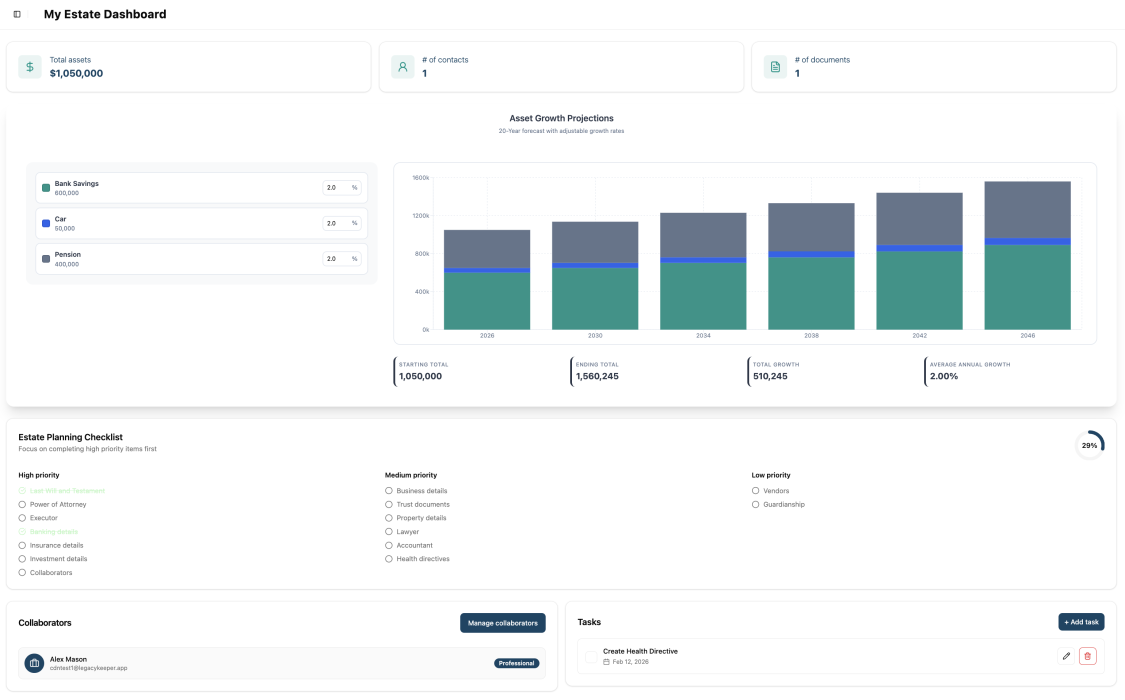
Technology can play a significant role in estate planning in today’s digital age. Tools like Legacy Keeper can streamline the process and enhance communication.
Benefits of Using Legacy Keeper
- Centralized Information: Store all essential documents and information in one secure location.
- Easy Access: Family members can access vital information whenever necessary.
- Collaboration Features: Facilitate discussions and updates among family members.
Free Services Offered
Legacy Keeper offers complimentary services to help families organize their estate planning efforts. This includes:
- Document Templates: Access templates for wills, trusts, and other essential documents.
- Guidance Resources: Educational materials to help families understand estate planning concepts.
Final Thoughts
Talking to family members about estate planning is vital in ensuring that your wishes are respected. It also helps make sure that your loved ones are prepared for the future. By approaching these conversations with empathy, clarity, and openness, you can foster understanding and cooperation within your family.
Remember that estate planning is not just about finances; it’s about preserving your legacy and values for future generations. Use available resources, including professional help and technology, to facilitate these critical discussions.
Engaging in these conversations can empower your family and ensure that your wishes are honored long after you are gone.
References: Family Estate Planning
- https://www.jpmorgan.com/insights/wealth-planning/trusts-and-estates/we-need-to-talk-communicating-your-estate-plan-with-your-family
- https://www.fidelity.com/life-events/estate-planning/talking-estate-planning
- https://www.actec.org/resource-center/video/how-to-talk-with-your-parents-about-estate-planning/
- https://www.ameriprise.com/financial-goals-priorities/family-estate/estate-planning-conversation
- https://www.merrilledge.com/article/estate-planning-family-conversations
- https://www.rbcwealthmanagement.com/en-us/insights/how-to-talk-to-your-parents-about-their-estate-plan
- https://www.actec.org/resource-center/video/how-to-talk-with-your-family-about-estate-planning/
- https://www.kiplinger.com/retirement/estate-planning/how-to-discuss-estate-planning-with-your-family
- https://elvilleassociates.com/blogs/6168/eight-tips-for-having-the-talk-about-estate-planning-with-elderly-parents/
- https://legacykeeper.app/2024/10/02/the-definitive-guide-to-crafting-your-last-will-and-testament/

Leave a Reply